
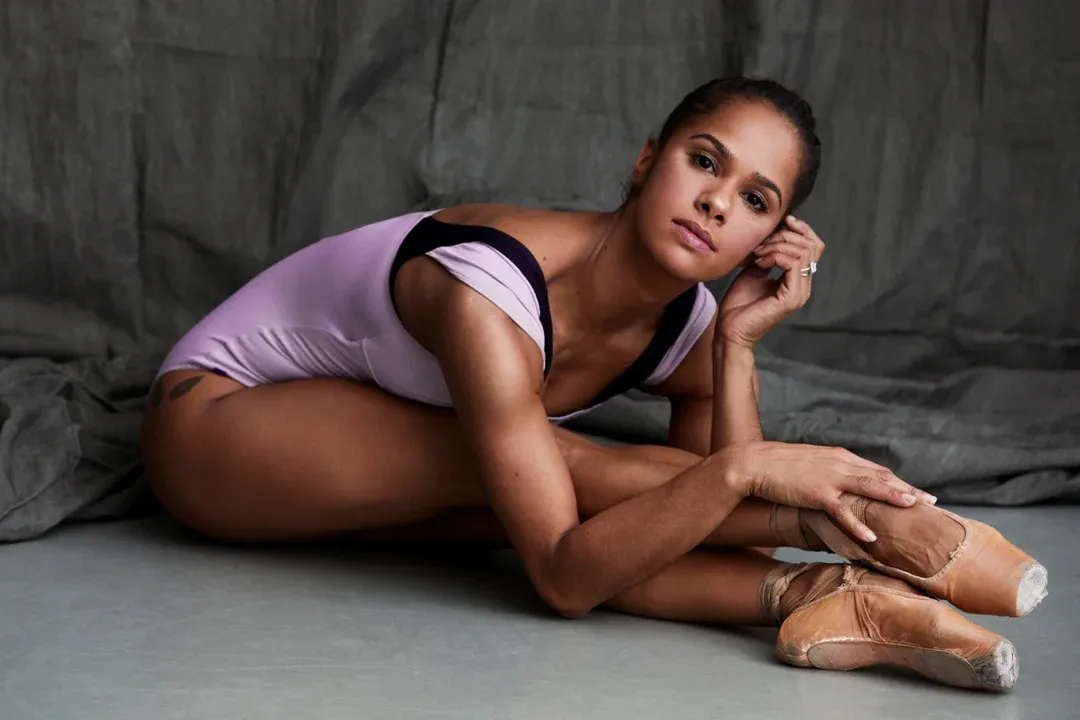
At this year’s Oscars, Misty Copeland stepped back into the spotlight in a moment that felt both triumphant and deeply symbolic. Although she officially hung up her pointe shoes in 2025, her return to the stage for a musical segment dedicated to the movie Sinners was a major statement and a welcome surprise for many. As she danced to “I Lied to You”, an original song from perhaps one of the movie’s most memorable scenes, the world was reminded of her unmistakable brilliance.
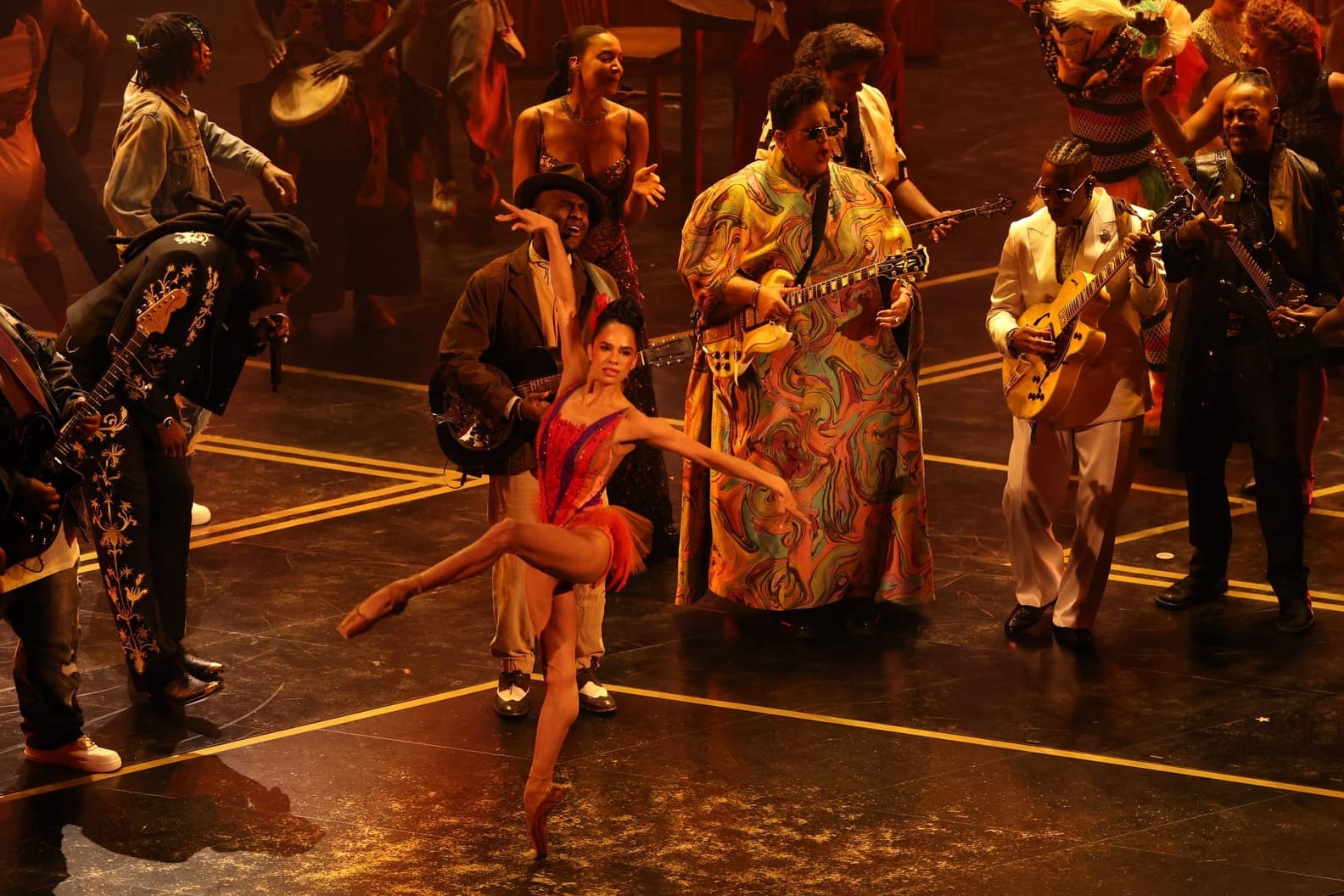
But what made the moment resonate so strongly was not just the performance itself, but everything it represented. Copeland’s appearance came only a few months after she closed the curtain on her historical 25-year career with the American Ballet Theatre (ABT).
“For me, it was bigger than just a chance to prove myself. It was about the Black community coming and being able to see themselves represented at the Lincoln Center (Metropolitan Opera House) on this stage where you don't get to see us leading a ballet.” - Misty Copeland
Her journey to the stage was anything but conventional. One of six children being raised by a single mother, she was living at a motel when she took her first ballet lesson at a Boys & Girls Club in San Pedro, California. This was the first time she felt at home. Although she didn’t start dancing until she was 13, an age when many professionals are already years into their training, her ascent in the dance world defied the barriers that often limit the success of Black dancers. On stage, she found freedom, control, and power.
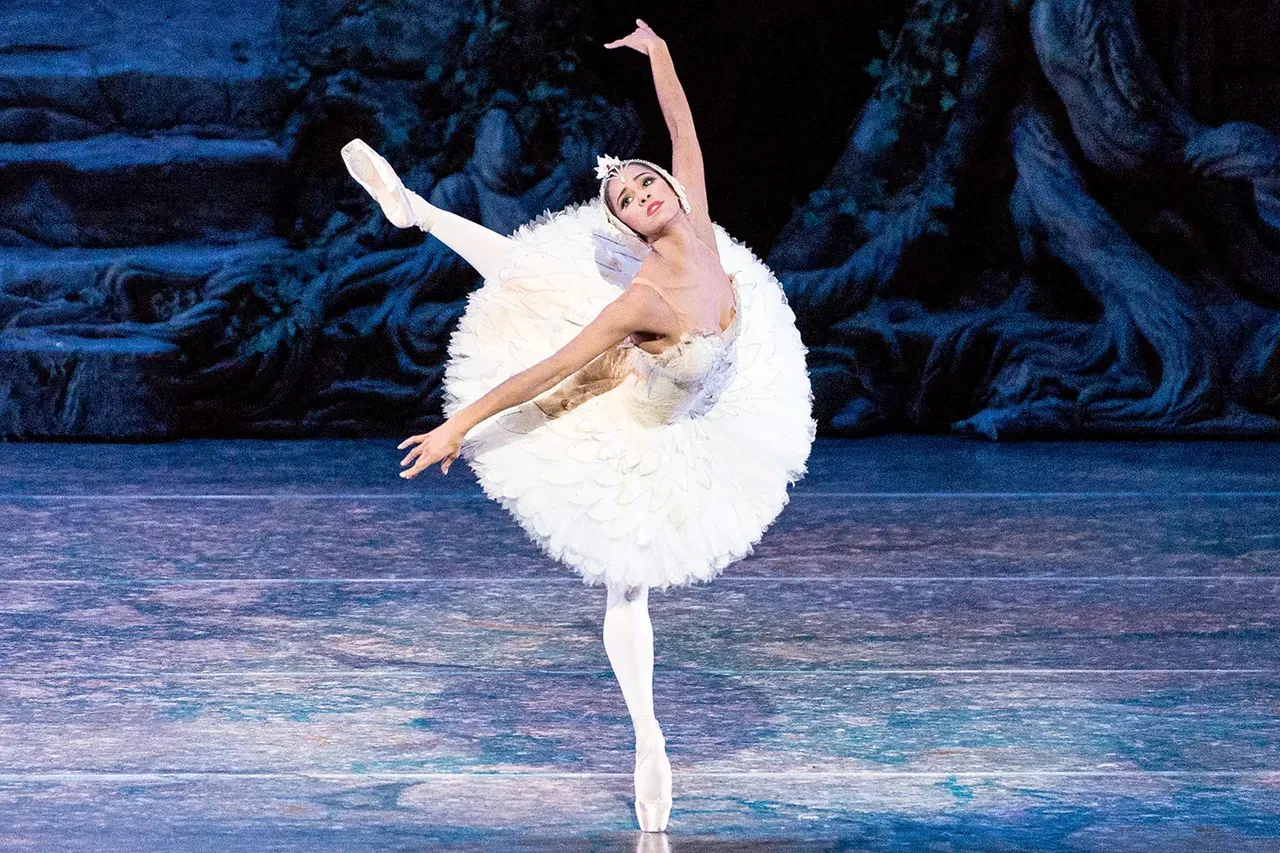
At the age of 17, four years after taking lessons, she accepted a scholarship to the ABT, one of the most prestigious dance academies in the world. Despite the year being 2000, diversity in ballet remained scarce and this stood out to Misty early on. “My first three of four years in the company, it was the first time it hit me that I was alone … That I’m the only black woman. It was the first time race was brought to my attention,” she admitted (TIME Magazine). She had even been excluded from a filmed production of Swan Lake because her brown skin would disrupt the aesthetic. Everything she loved about ballet in that moment seemed to fracture but with a quiet resilience, she decided that to walk away now meant the door possibly closing not just for her but for anyone else who might follow.
So, she persisted, and her grace and talent continued to shine. In 2007 she became the company’s second African American female soloist in two decades. In 2014, more than ten years after being denied a part in the Swan Lake production, she made history as the first Black woman at ABT to perform the lead role as Swan Queen, one of the most iconic roles for a ballerina. In 2015, she again made history as the first Black female principal ballerina in ABT’s 75-year history. She used this milestone to not just elevate her own career but to mentor and uplift dancers of color.
But Misty’s impact transcends the stage. She has long challenged the traditions that have overlooked and marginalized dancers of color. For decades, the only color that pointe shoes were available in was “European pink.” Since age 14, while performing with Debbie Allen in California, she recalls painting her shoes brown. She had been cast in what was being called The Chocolate Nutcracker. She would continue painting her shoes throughout the course of her career at ABT.
Although now pointe shoes are offered in a wider range of shades, Misty even launched a petition called “Let’s Make A Pointe” urging Apple to diversify the shades offered for the pointe shoe emoji, saying that the lack of range was a constant reminder of the subtle ways dancers of color have not been included.
Through the Misty Copeland Foundation, she offers scholarships, mentorship, and training opportunities to underserved youth, empowering aspiring dancers of all backgrounds to see themselves reflected in ballet. Launched in 2021, the foundation aims to advance the art form by fostering greater diversity, equity and inclusion.
Misty’s rise through the ranks of ballet was not without its challenges, but her resilience and perseverance made her legacy possible. And so, her return to this year’s Oscars was a full-circle moment, reminding us that her story doesn't end with a final bow, but continues to live on in every barrier that she broke and every path that she helped clear for the next generation.