
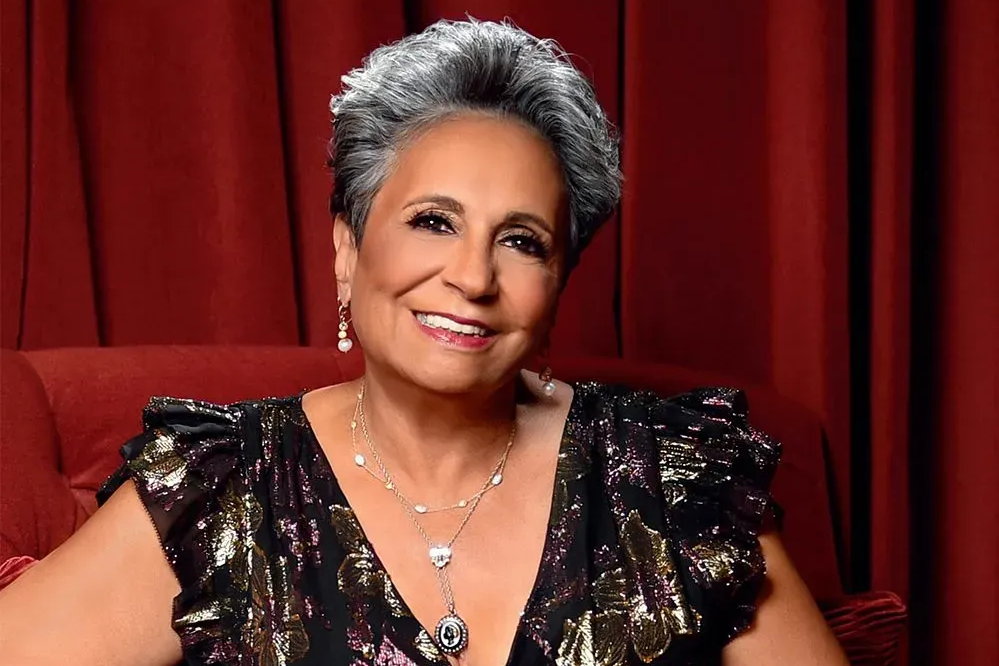
A trailblazer in her own right, Cathy Hughes is a name widely-recognized, and rightfully so. As the founder and chairperson of Urban One (formerly Radio One), and one of the wealthiest self-made African American women, Hughes didn’t simply follow a model for success; instead, she laid down her own blueprint, line by line.
Her rise from radio employee to media executive is not a story of overnight success, but one of long-term vision that reminds us to bet on ourselves, even when it seems as though few others would. What began as a single radio station in Washington, D.C., in 1981, has since grown into the largest Black owned television network and distributor of digital urban content, reaching over 80% of Black America.
Hughes grew up in Omaha, Nebraska, in the 1950s, in a modest household where six people shared one bathroom. At a time when professional opportunities for young Black girls were limited, her dream of working in radio may have seemed out of reach.
But her entry into the industry came in 1969 when she was offered an administrative assistant job at Howard University’s newly created School of Communications. By 1973, Hughes had become the General Sales Manager of WHUR-FM, the university’s radio station, where she increased its revenue from $250,000 to $3 million in just one year. Two years later, she became the station’s first woman vice president and general manager. During this period, she developed the Quiet Storm radio format, a late-night blend of R&B, ballads and smooth jazz, typically hosted with a DJ. Named after Smokey Robinson’s song, A Quiet Storm, this format was eventually adopted by over 450 stations nationwide, filling a gap in the radio industry.
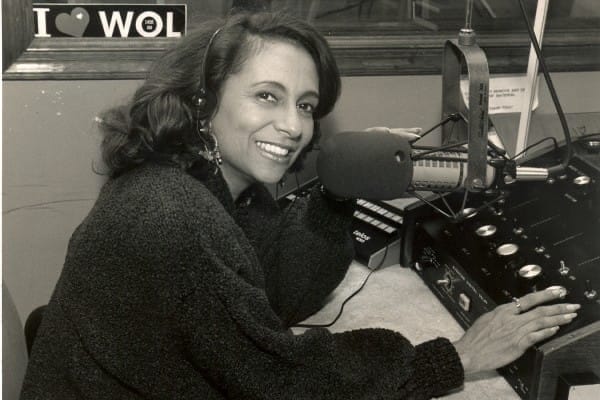
In 1979, Hughes and her then husband, Dewey Hughes, set their sights on owning their own radio station. Even with their own personal funds, support from 10 local investors and Syncom, a Black-owned venture capital fund, they fell short of the required financing. After being rejected by 32 banks, they were finally approved for a loan by a Puerto Rican female loan officer, allowing the company, later known as Radio One, to purchase WOL-AM, a tiny station located in Washington, D.C.
But this challenge was just the beginning of many. During the first few years, as Hughes navigated divorce, she also struggled with the high interest rates attached to the loan. She eventually had her car repossessed and lost her home, forcing her to move into her office at the radio station with her young son. Unable to afford an expensive morning show host, she hosted her own morning show for eleven years, the first seven of which turned no profit. She worked tirelessly, often sleeping at the station, managing operations herself, and learning every aspect of the business. Slowly, WOL-AM became profitable, then influential, and eventually the foundation of a growing media empire.
That small station in Northeast Washington led to the acquisition of dozens of other radio stations around the country. In 1999, Radio One went public, selling more than 7 million shares of common stock to the public, making Cathy Hughes one of the first Black women to lead a publicly traded media company. Between 1999 and 2000, Radio One acquired 35 stations from 10 different owners. In 2004, with her son, Alfred C. Liggins III, serving as Chief Executive Officer of her company, Radio One expanded into television with the launch of TV One, a cable network reaching more than 40 million African American households nationwide. As the company continued to grow, acquiring a collection of internet media websites that focus specifically on news, sports and entertainment stories about and for Black audiences, it rebranded as Urban One.
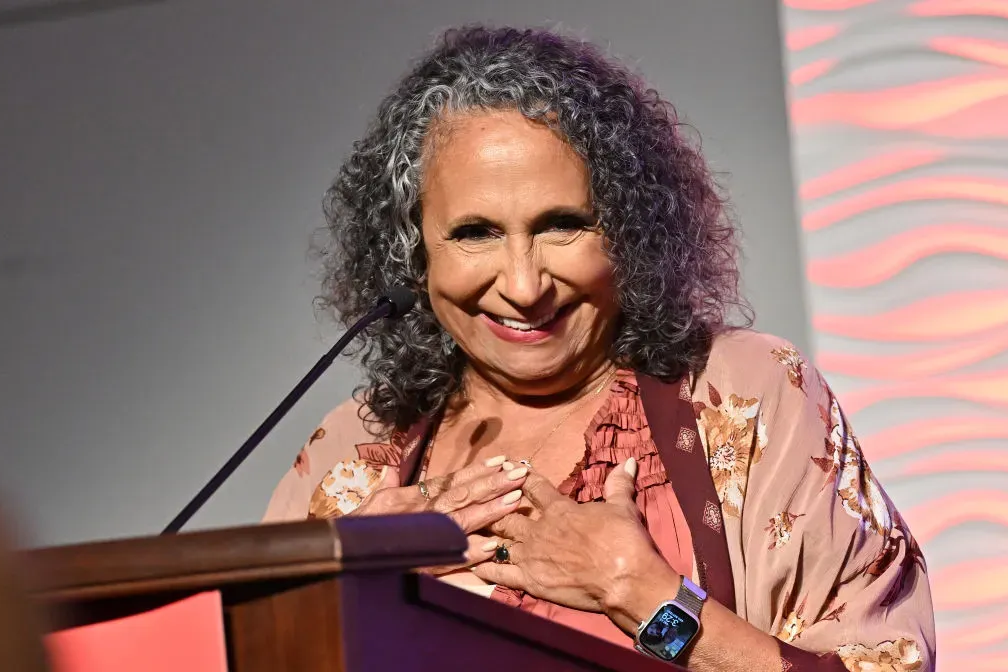
Today, Urban One is the largest African American-owned broadcast network in the United States, reaching approximately 59 million households and 22 million listeners. With 57 broadcast stations, two cable networks and almost 100 websites, Hughes built a media ecosystem that amplified Black voices at a time when they were marginalized, undervalued, and shut out. As proudly stated on its website, Urban One is the only integrated media company focused on Black culture. In 2018, in recognition of her impact, the street on which she grew up in Omaha was renamed the Cathy Hughes Boulevard.
Hughes’ journey to success was anything but easy, but it was shaped with discipline and earned deliberately. Her legacy reminds us of the importance of ownership and representation and shows us how sustained persistence can influence not just a career but reshape an entire industry.