
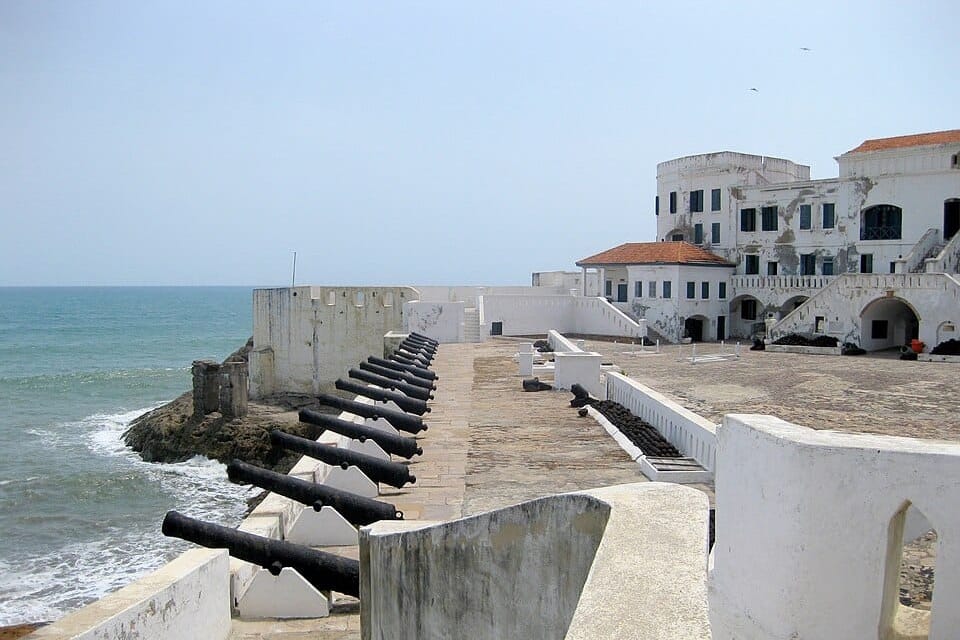
Museums and memorial sites have long been seen as guardians of history, preserving the stories that have shaped experiences, identities, and realities. For the Black community, these spaces are more than just holders of the past but places of remembrance, education, and cultural continuity. From the corridors of slave forts along the West African coast to museums housing vast collections of cultural artifacts and sites marking pivotal moments in history, these institutions ensure that the voices of the past continue to inform the present.
To make it easier to incorporate these into your travel itineraries, Official Black Wall Street has compiled a non-exhaustive list of museums and memorial sites around the world that continue to preserve these stories, making sure that future generations continue to learn about, and learn from, the past.
Cape Coast and Elmina Castles
Along Ghana’s coastline sit two of the most significant historical sites connected to the transatlantic slave trade - Cape Coast and Elmina Castles. For centuries, they were holding sites where captured Africans were imprisoned before being forced onto ships bound for the Americas. Today, visitors can walk these grounds, including the cold, underground dungeons, and go through the “Door of No Return”. On the opposite side of this door, facing the ocean, is a symbolic invitation to the diaspora to return home - the word “Akwaba”, which means welcome.
Robben Island, Cape Town, South Africa
During the Apartheid era, Robben Island served as a political prison where anti-apartheid activists were held for decades. There were no white prisoners on the island and among its most famous prisoners was Nelson Mandela, who spent 18 years of his 27 years of imprisonment there. Today, it is a museum and UNESCO World Heritage Site that visitors can access via ferry from the Nelson Mandela Gateway.
Bob Marley Museum
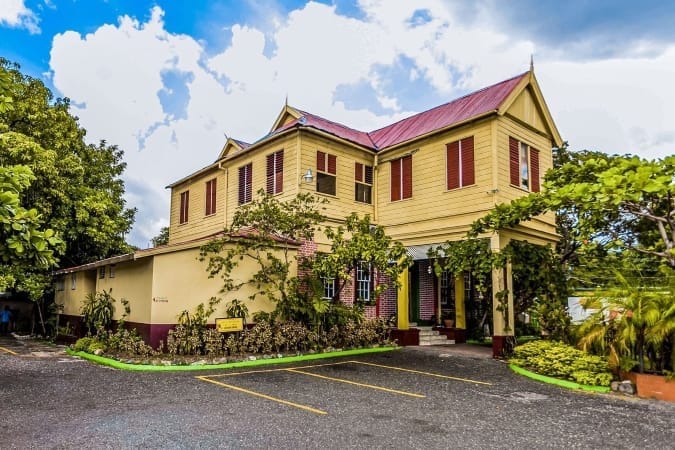
Located in the former house of Bob Marley at 56 Hope Road, Kingston, Jamaica, this museum preserves the life and legacy of the most influential and defining figure of reggae music. Purchased by Bob in 1975, it was converted into a museum by his wife, Rita Marley, 6 years after his death. Visitors can explore his personal spaces, including his recording studio, while learning about his music, cultural impact and role as a voice for the diaspora. Featuring a record and gift shop with a wide array of Bob Marley memorabilia, this should be added to everyone’s next Jamaica itinerary.
National Civil Rights Museum (Lorraine Motel) - Memphis, Tennessee
Housed at the historic Lorraine Motel, where Martin Luther King Jr. was assassinated on April 4, 1968, the National Civil Rights Museum chronicles the American Civil Rights Movement. Through exhibits, historical collections, social events and more, visitors can step back in time, learning about a defining moment in America’s history. On Mondays, from 3:00pm until closing, the Museum is free for Tennessee residents.
Tuskegee Airmen National Historic Site - Tuskegee, Alabama
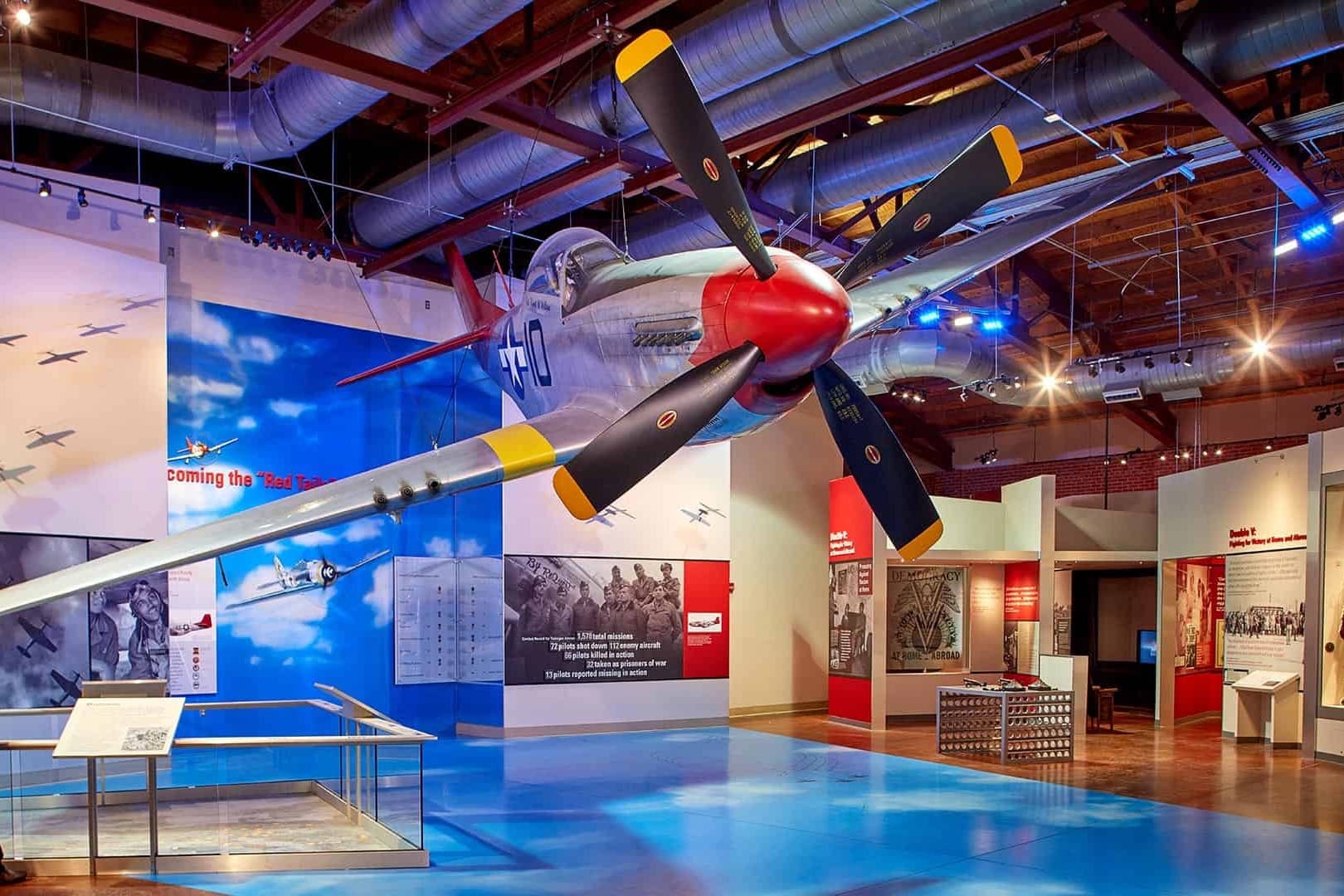
The Tuskegee Airmen were the first African American military pilots and navigators in the Air Forces during World War II. Their story began with the Tuskegee Military Experiment, in which the U.S. Army Air Corps conducted a test to determine whether African Americans had the mental and physical capabilities to lead and fly military aircraft in war. Despite facing racism and segregation, they served with distinction. To learn more about them and their remarkable contributions, add the National Historic Site to your itinerary next time you’re in Alabama.
Citadelle Laferrière - Milot in Nord, Haiti
Known as La Citadelle, this monument is the largest fortress in the Americas, deemed by Haitians to be the eighth wonder of the world. 3,000 feet above sea level, Citadelle Laferrière was constructed as a defensive stronghold for Haiti, the first free Black republic in the Western Hemisphere. One of Haiti’s most iconic landmarks, the fortress can be reached either by motorbike, taxi, hiking or on horseback.
Apartheid Museum - Johannesburg, South Africa
Opened in 2001, this museum tells the story of the Apartheid era in South Africa, during which racial segregation and white supremacy rule were protected in law. Through powerful film footage, artifacts, text panels and more, visitors are guided through the rise and fall of apartheid. The permanent exhibitions explore the race classification system, life under apartheid, the rise of the Black consciousness movement, the struggle for liberation and the country’s transition to democracy. To properly experience the museum, visitors should set aside at least two hours.
Museu Afro Brasil, São Paulo, Brazil
Outside of the continent of Africa, Brazil has the world’s largest population of African descendants. Museu Afro Brasil houses more than 8,000 works that represent the richness of African and Afro-Brazilian people. It emphasizes the contributions of the Black population to the formation of the Brazilian society and culture through sculptures, documents, artifacts, paintings and more. With both permanent and temporary exhibitions, the Museum allows for a deeper understanding of Africa’s enduring influence on Brazil.
National Museum of African American History and Culture - Washington, D.C.
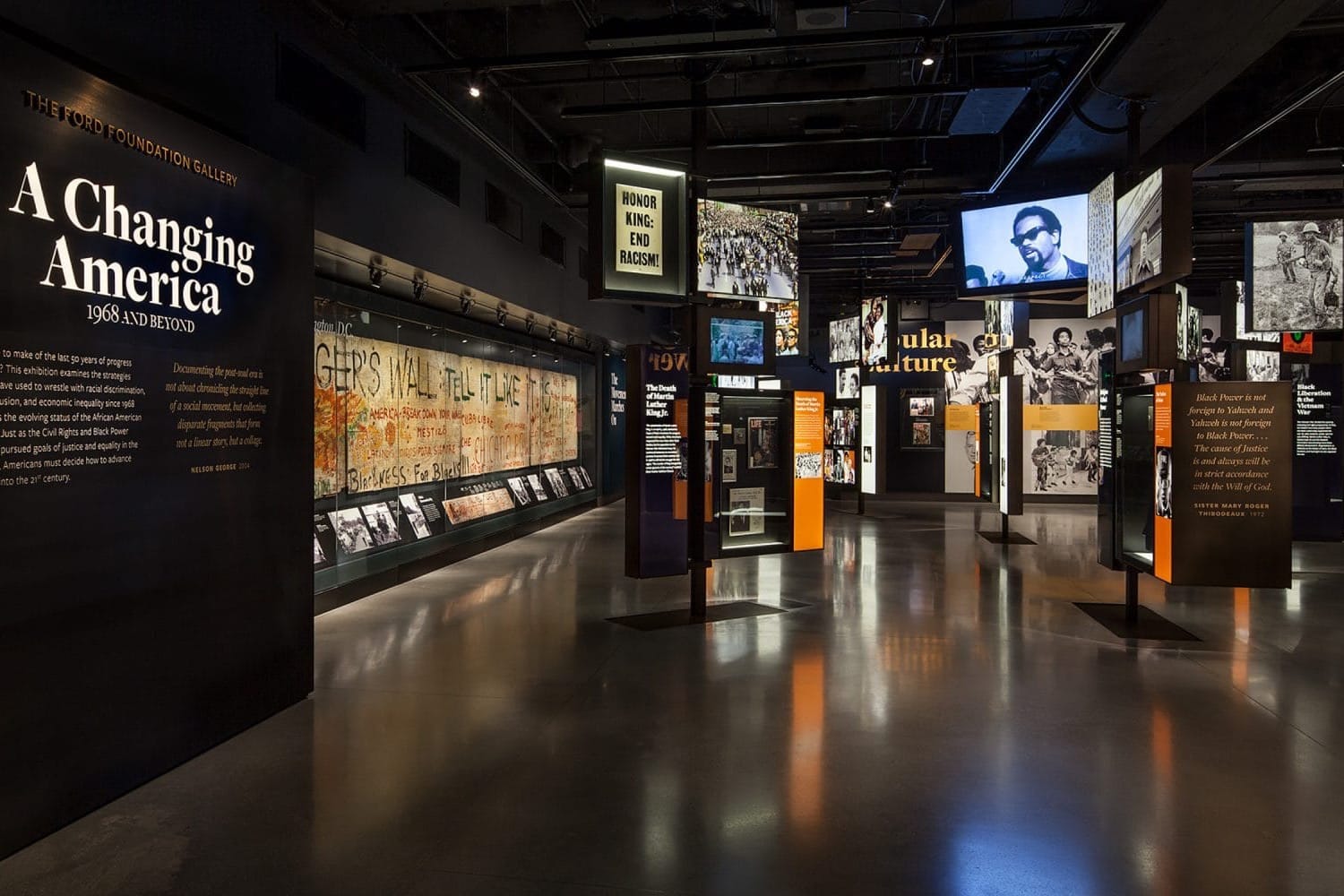
Strategically built to be the center of all landmarks on the National Mall, this museum features over 45,000 artifacts documenting African American life, stories, history and culture, including music and sports. Opened in 2016 as part of the Smithsonian Institution, it is the world’s largest museum dedicated exclusively to African American history and culture. Spanning 400,000 square feet and ten floors, five of which are underground, the museum takes visitors on a powerful journey through centuries of history. Due to its popularity, visitors, including children, should reserve free timed-entry passes.
Whitney Plantation - Wallace, Louisiana
Through preserved slave cabins, memorials, and exhibits, Whitney Plantation focuses on the stories of the enslaved people who lived and worked there. Two of the original cabins, which were the last to be inhabited when the plantation shut down in 1975, are on display. The 200-acre former plantation can either be explored via a self-guided audio tour, which is available in six languages, or be led by trained historical interpreters.
St. Lawrence Hall, Toronto, Canada
Built in 1850, St. Lawrence Hall played an important role during the era of the Underground Railroad, hosting abolitionist meetings and lectures, including by Frederick Douglass, supporting the fight against slavery. Located in downtown Toronto near St. Lawrence Market, it was the historic place of landing of slaves that had escaped the United States. To commemorate its role as a hub for the abolitionist movement, it was designated a National Historic Site of Canada in 1967.